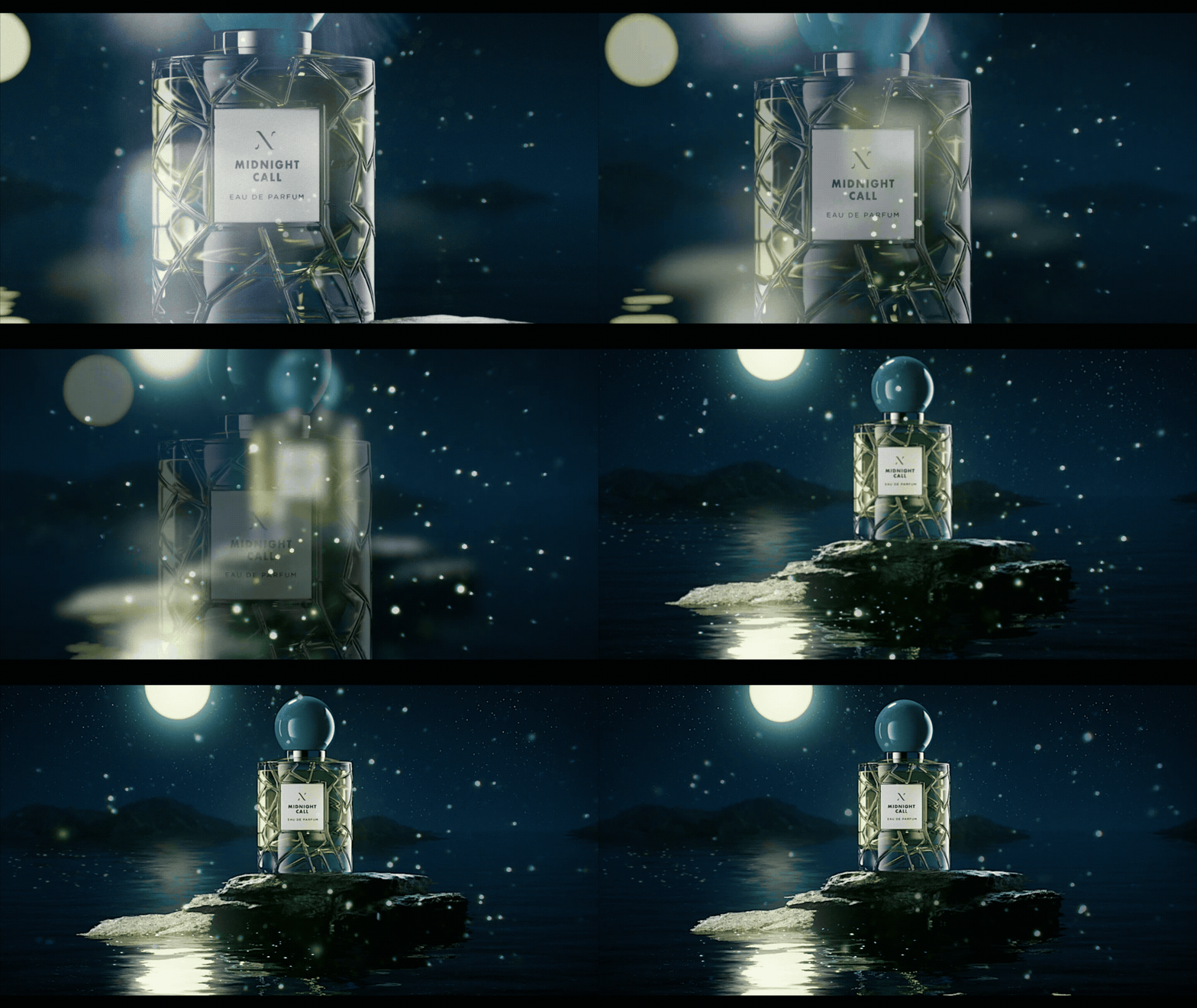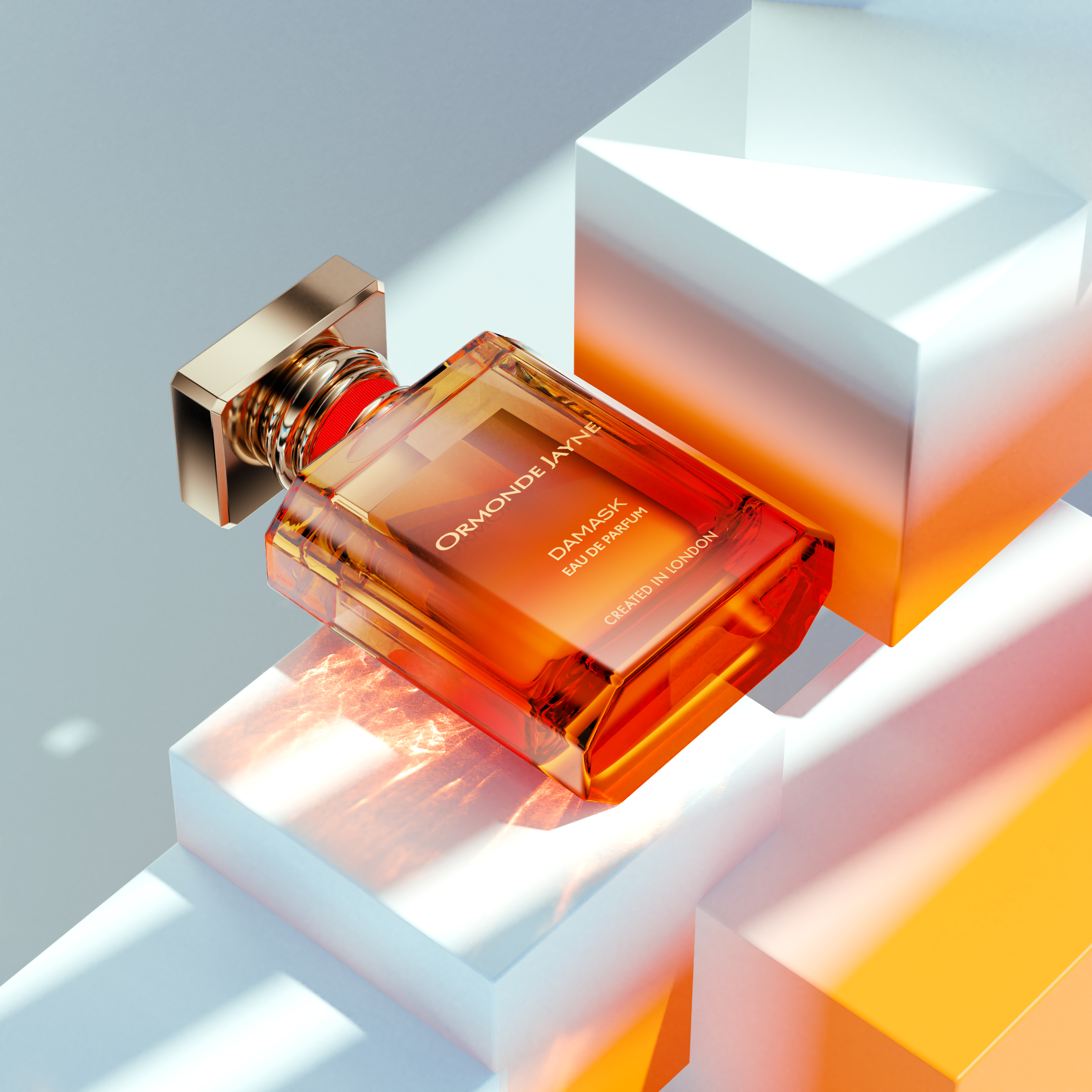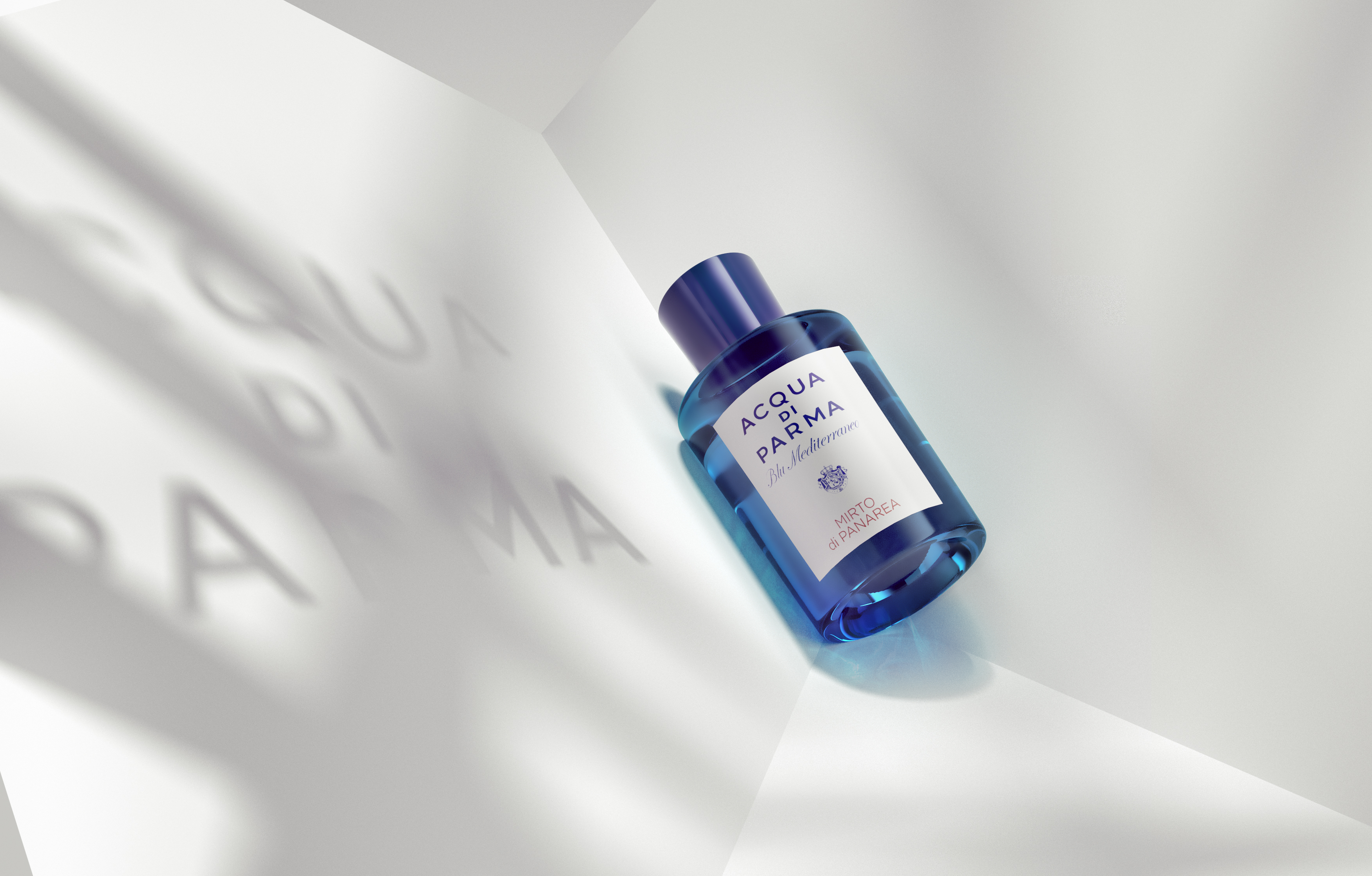
What is Photorealistic Rendeing?
Photorealistic rendering is a 3d rendering technique that uses physics-based lighting to create imagery that looks like it was shot using a camera.
What is the process?
The process of photorealistic rendering begins with a 3D model. If the goal is to create a product shot, the starting point would be an accurate 3D model of the product itself.
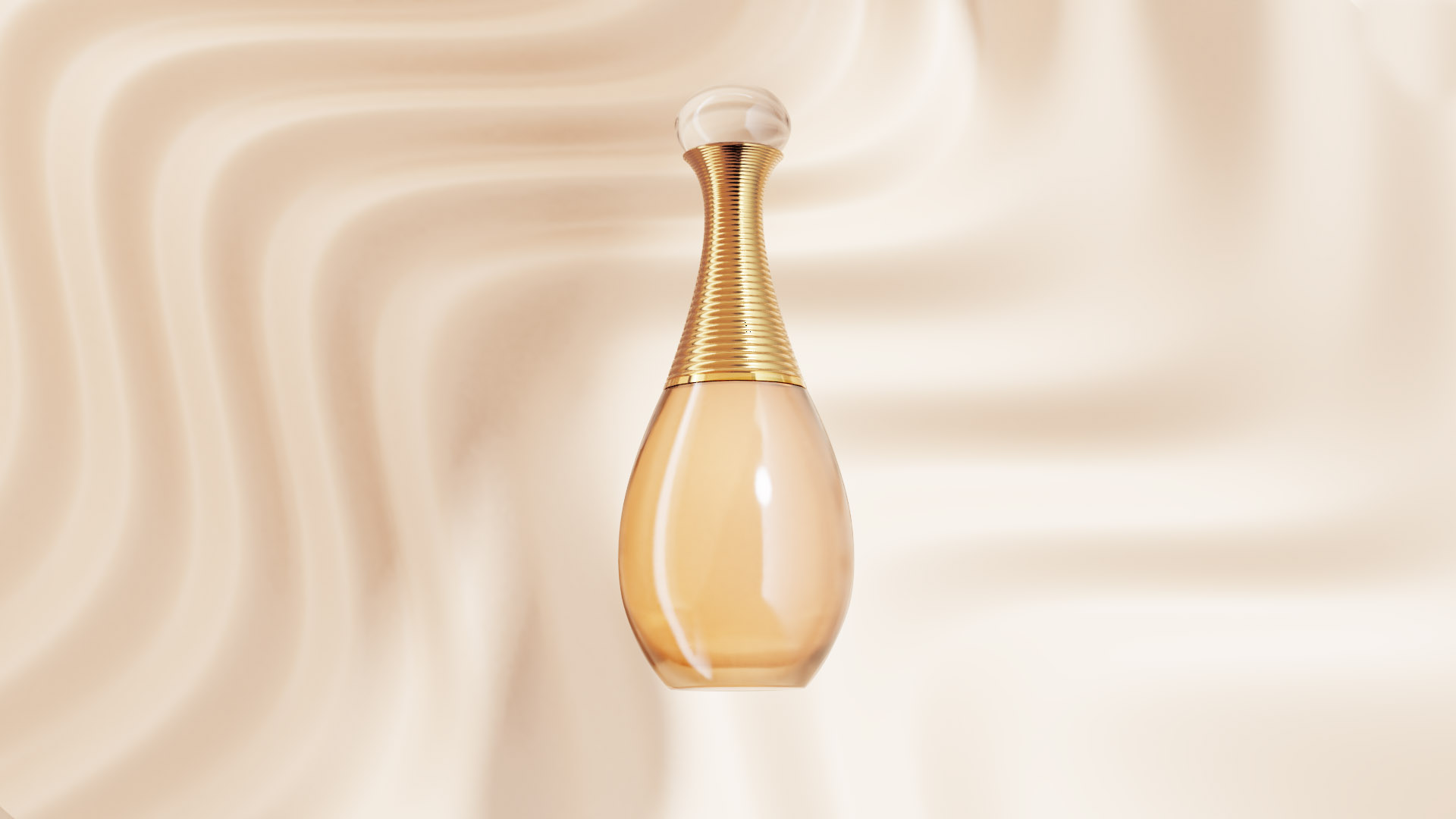
Once the model is complete, real-world materials are applied to enhance its realism. For example, if the product is a branded perfume bottle, the materials used might simulate glass, plastic, chrome, and paper to accurately represent the different surfaces.

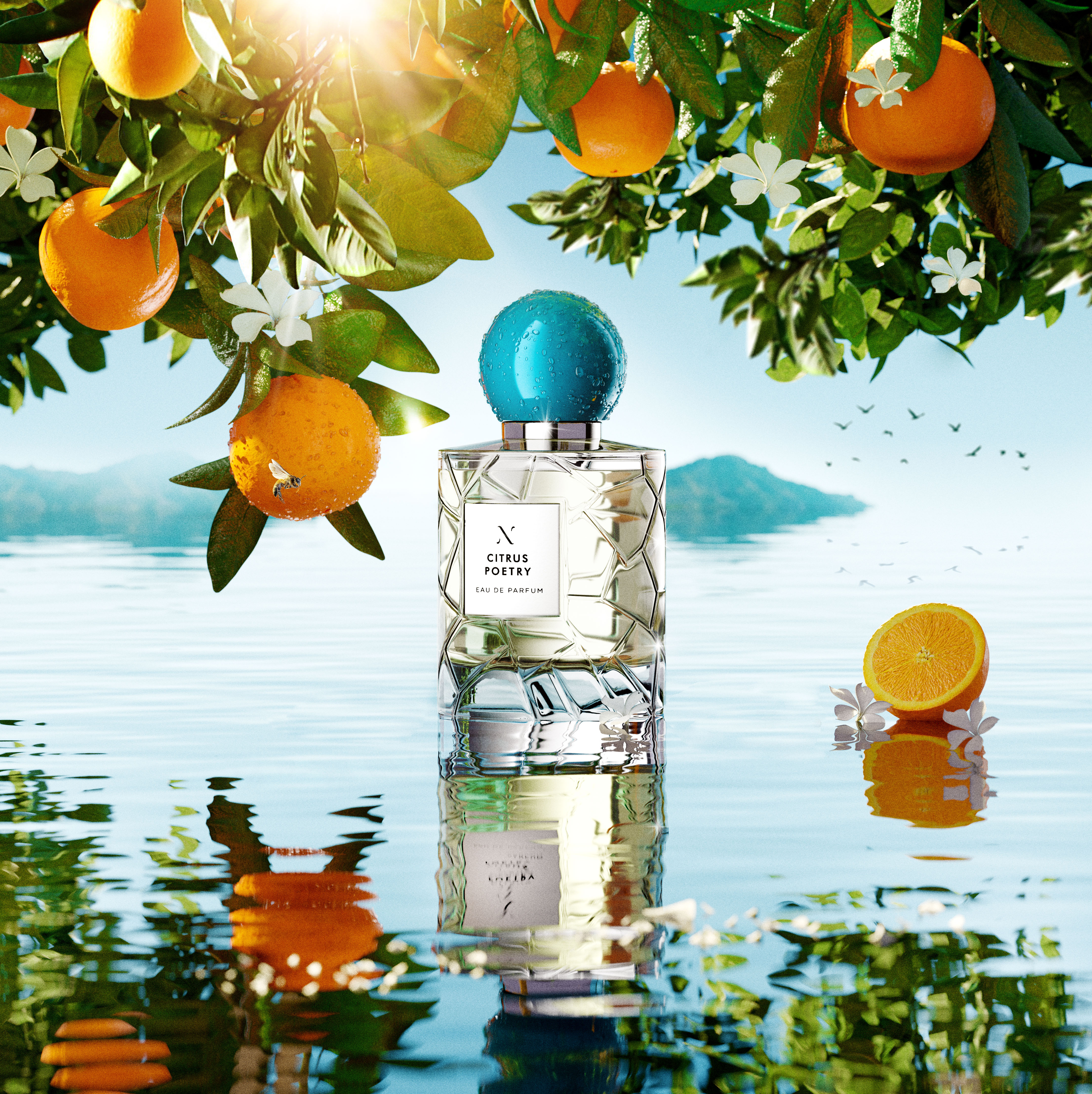
To achieve true photorealism, these materials are typically created using a technique called PBR (Physically Based Rendering) shading. PBR materials are developed using data grounded in real-world physics, allowing them to respond to light in a natural and believable way. This means a surface such as gold will appear different in bright summer sunlight compared to underwater lighting conditions, and glass will refract spotlights differently than it would diffuse daylight.
These physical properties are embedded within the material data, enabling the final 3D render to closely replicate the look and behavior of real-world photography.
What Photorealistic rendering used for?
Possible use case scenarios including:
1. An advert to market a product
2. To photo realistically illustrate a product design concept before manufacturing
3. For large scale exhibition graphics
4. Digital set creation for a still or TV commercial
5. Architectural visualisation

What are the advantages?
There are many advantages to use photorealistic rendering. Below are some of them.
1. Cost effective creative solution
2. Not limited to:
• Studio hire availability
• Weather restrictions
• Seasons
• Prop hire
3. Visual Consistency of marketing assets
4. Endless Output resolutions
.